
WIN A COPY OF THE GERMAN WEHRMACHT: EQUIPMENT, WEAPONS, UNIFORMS AND INSIGNIA
drawnFigures checked 111d ago
H
Historia Prize Draw
Usually draws around 40% sold
£0.49
per ticket
38 / 95 tickets sold
40%
Odds per ticket: 1 in 95
Draw Date
Jun 29, 2026 10:45pm
This draw has closed.
Other competitions are open now.
Browse live raffles View this draw on Historia Prize DrawDescription
Ian Baxter’s The German Wehrmacht: Equipment, Weapons, Uniforms and Insignia is a visually impressive study of the German Army during the Second World War. Published by Pen & Sword Military, the book focuses on the appearance, equipment, and everyday kit of the ordinary Wehrmacht soldier rather than battlefield operations or strategic campaigns.
As a result, it serves as an excellent reference for military historians, collectors, reenactors, model makers, and anyone with an interest in the material culture of the German armed forces. The book’s greatest strength lies in its extensive collection of photographs and artwork.
The images provide a detailed examination of uniforms, insignia, weapons, personal equipment, and field gear used throughout the war. Readers can follow the evolution of German military clothing and equipment from the early campaigns of 1939 through to the final months of the conflict in 1945, observing how battlefield conditions and wartime shortages influenced their development.
The colour artwork complements the archival photographs particularly well, helping readers understand camouflage patterns, insignia, and uniform colours that are often difficult to interpret from black-and-white images alone. Together, the photographs and illustrations create a valuable visual guide that enhances the book’s usefulness as a reference work. Baxter presents the material in a clear and accessible style.
The text is informative without becoming overly technical, allowing both newcomers and experienced enthusiasts to benefit from the information presented. Detailed captions accompany the photographs and frequently draw attention to features that might otherwise be overlooked. Because the volume is primarily a pictorial reference, readers looking for a comprehensive analysis of Wehrmacht operations, organisation, or military doctrine may find the narrative somewhat limited.
However, this is not a criticism of the book’s purpose. It is designed to showcase the uniforms, weapons, equipment, and insignia of Germany’s wartime army, and it accomplishes that objective very effectively. Overall, The German Wehrmacht is a well-produced and highly informative reference book. Combining excellent photography, attractive artwork, and concise commentary, it provides an engaging overview of the appearance and equipment of the Wehrmacht throughout the Second World War. It is a worthwhile addition to the library of anyone interested in military history, uniforms, or German military equipment.
Still open: similar competitions

“MORNING ALAN!” QUOTE HOODIE – PICK YOUR SIZE + COLOUR
Historia Prize Draw 99 · Excellent
5 / 75 sold7%
checked 42m ago
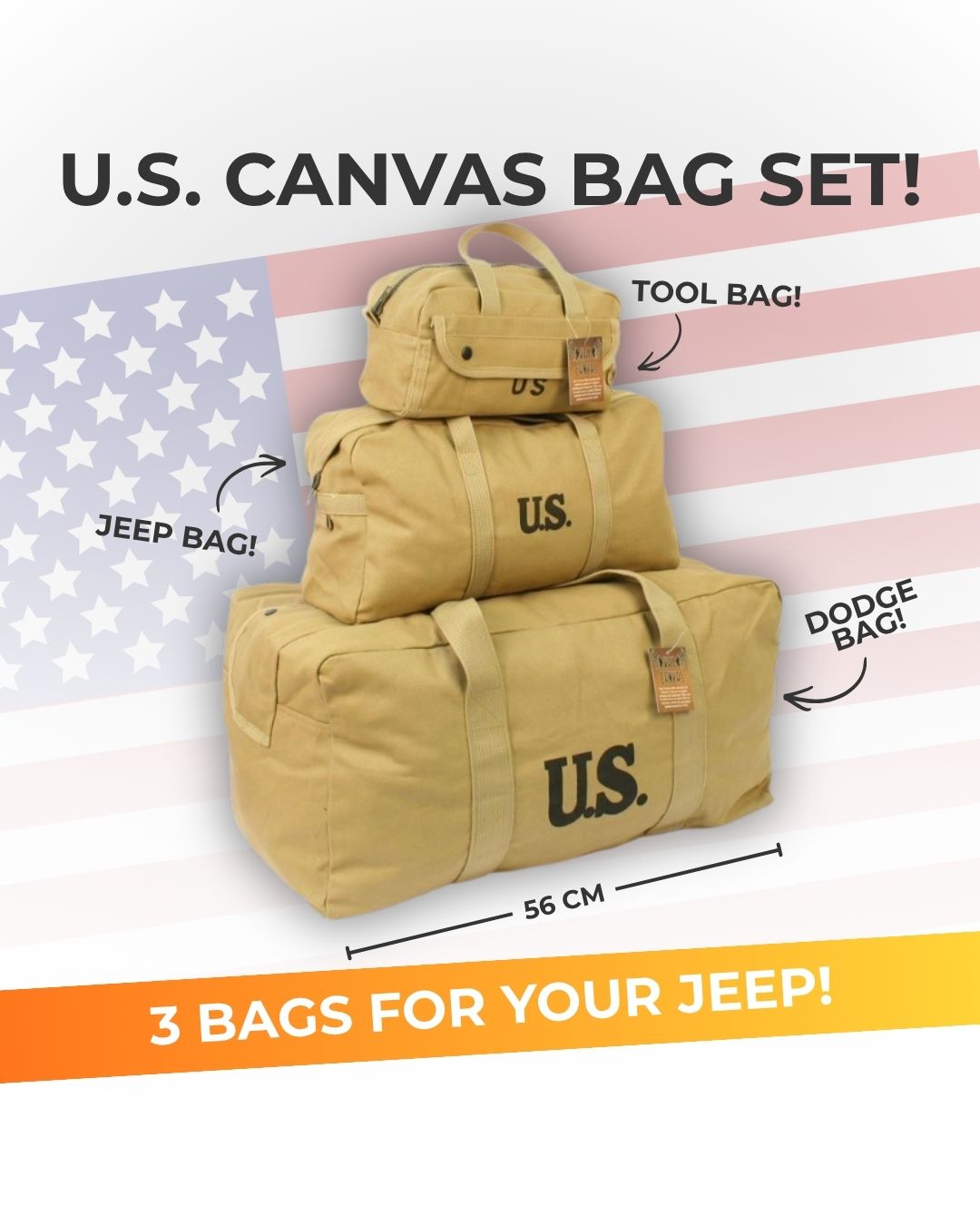
U.S. CANVAS BAG SET! 3 BAGS FOR YOUR VEHICLE!
Historia Prize Draw 94 · Excellent
37 / 246 sold15%
checked 42m ago
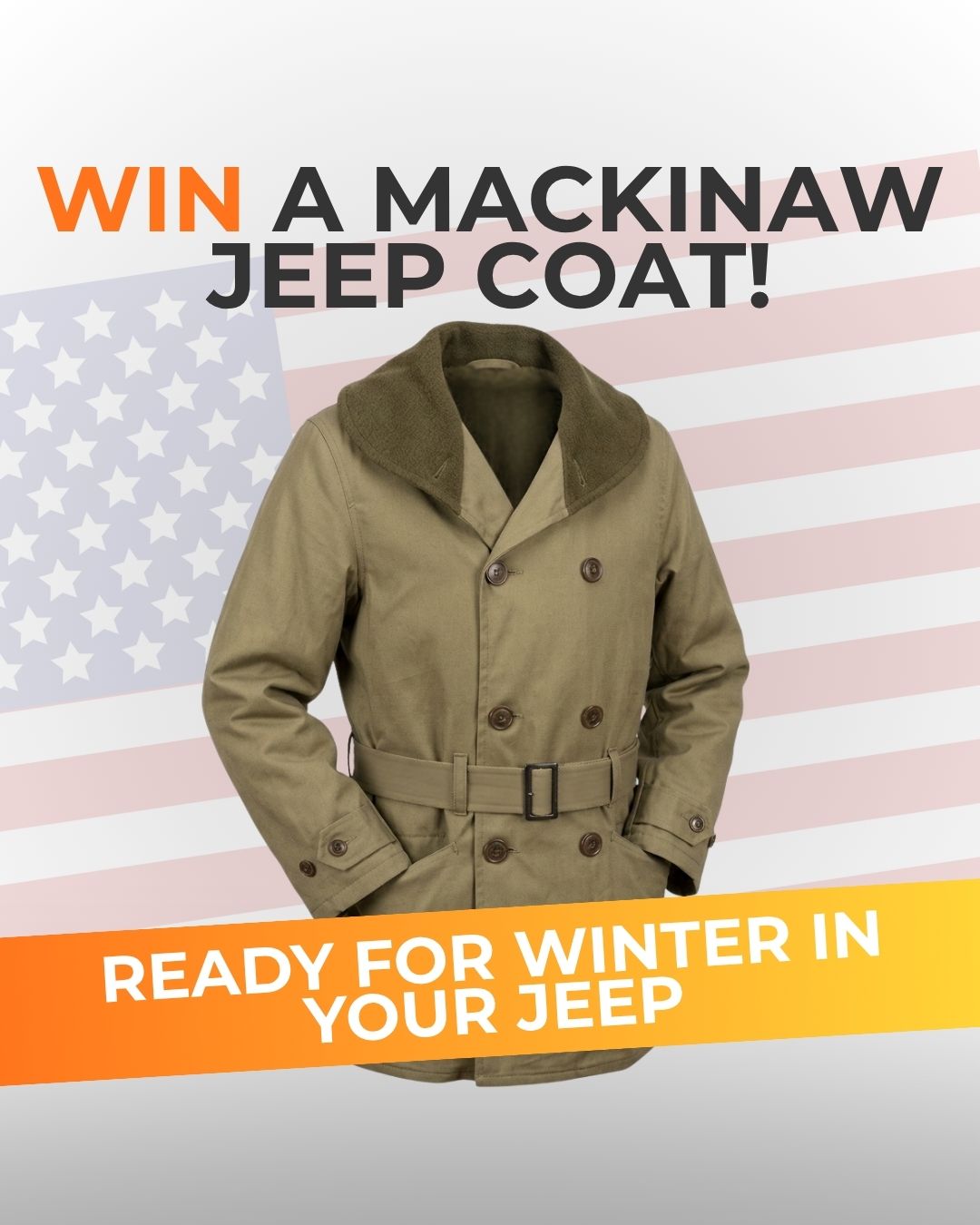
WIN THIS NEW US MACKINAW JEEP COAT BY KAY CANVAS … IN YOUR SIZE!
Historia Prize Draw 86 · Excellent
109 / 249 sold44%
checked 42m ago
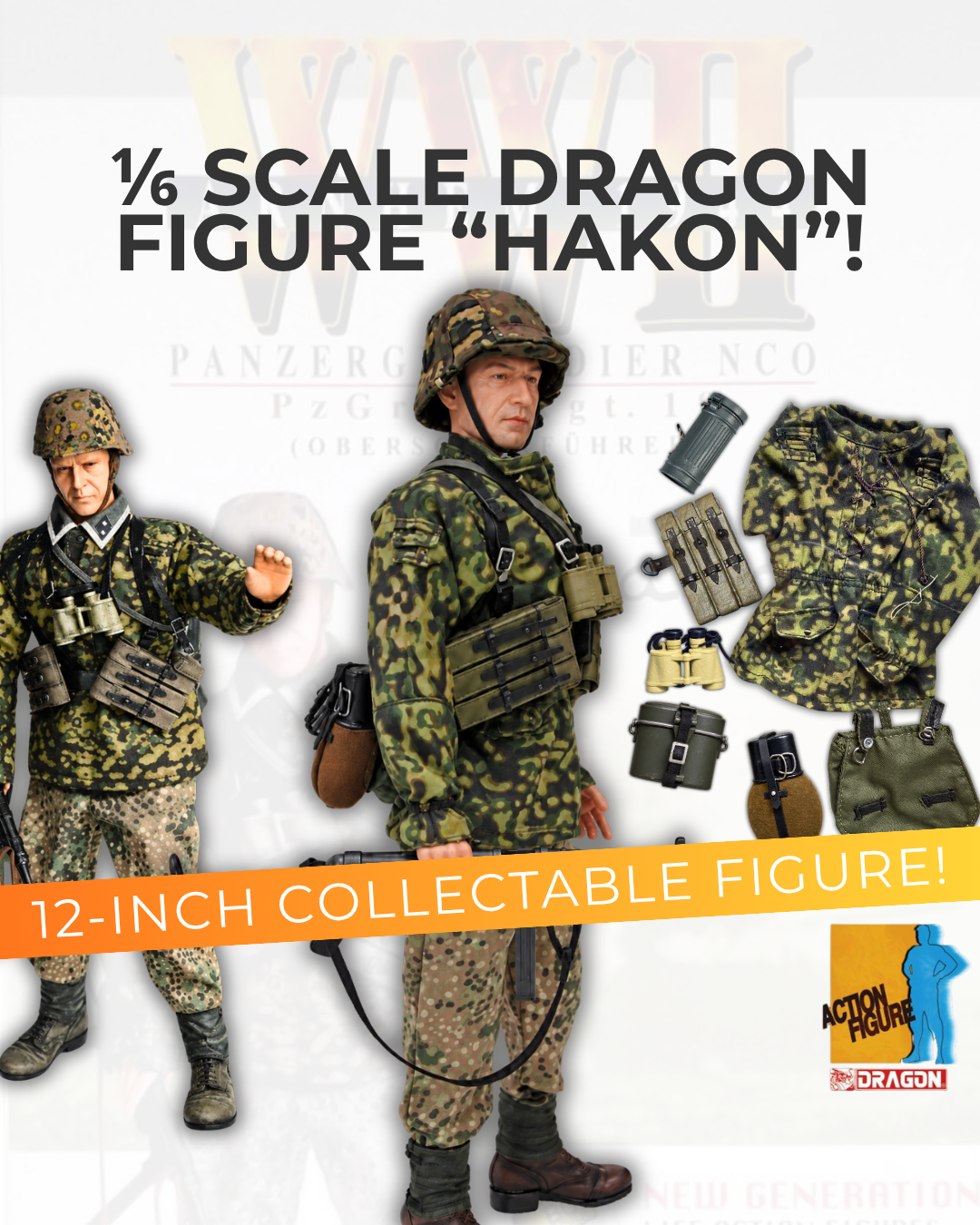
1/6 DRAGON ACTION FIGURE – GERMAN NCO “HAKON”! HIGHLY COLLECTABLE!
Historia Prize Draw 88 · Excellent
106 / 220 sold48%
checked 42m ago
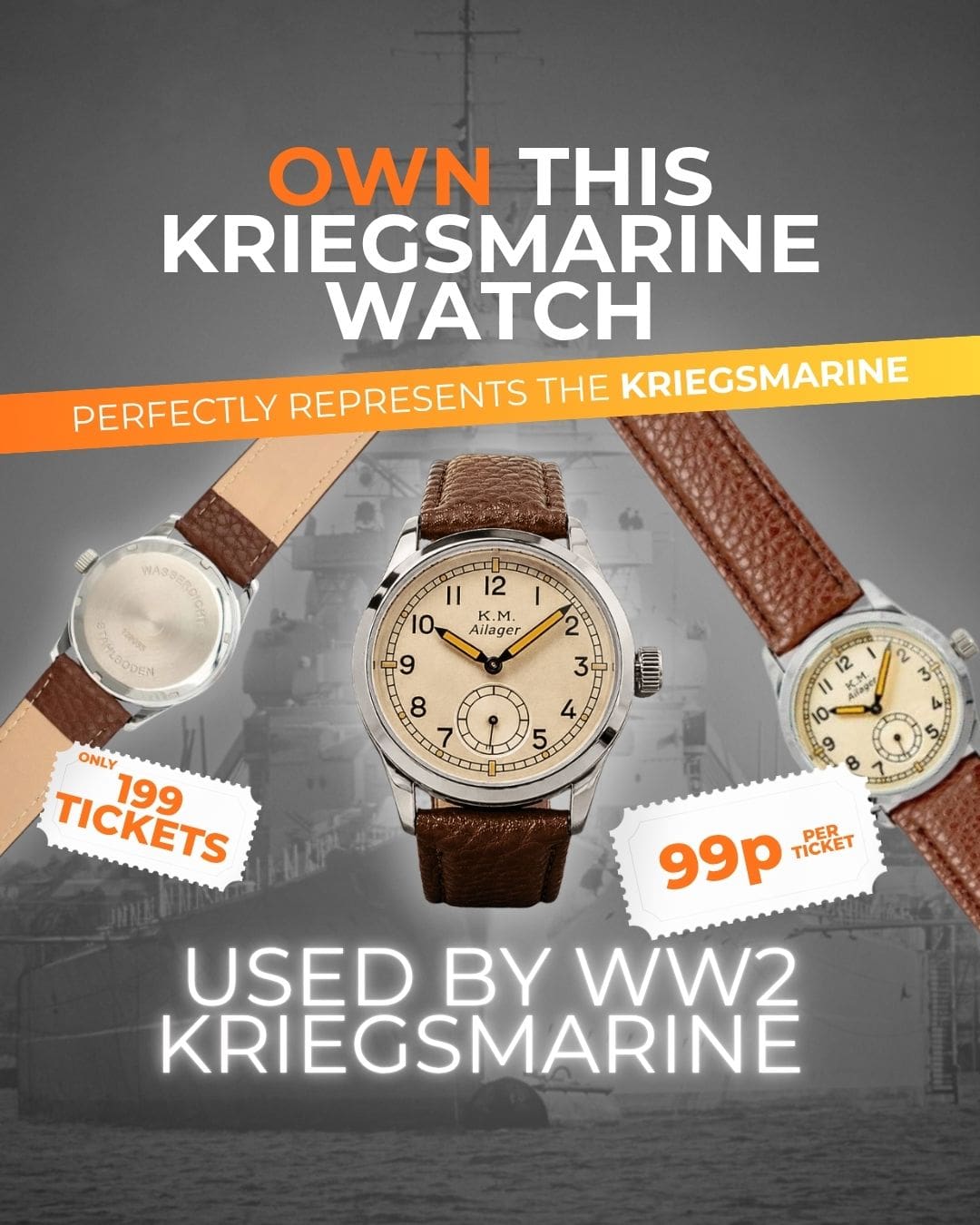
WWII-INSPIRED AILAGER GERMAN KRIEGSMARINE SERVICE WATCH!
Historia Prize Draw 92 · Excellent
47 / 199 sold24%
checked 42m ago
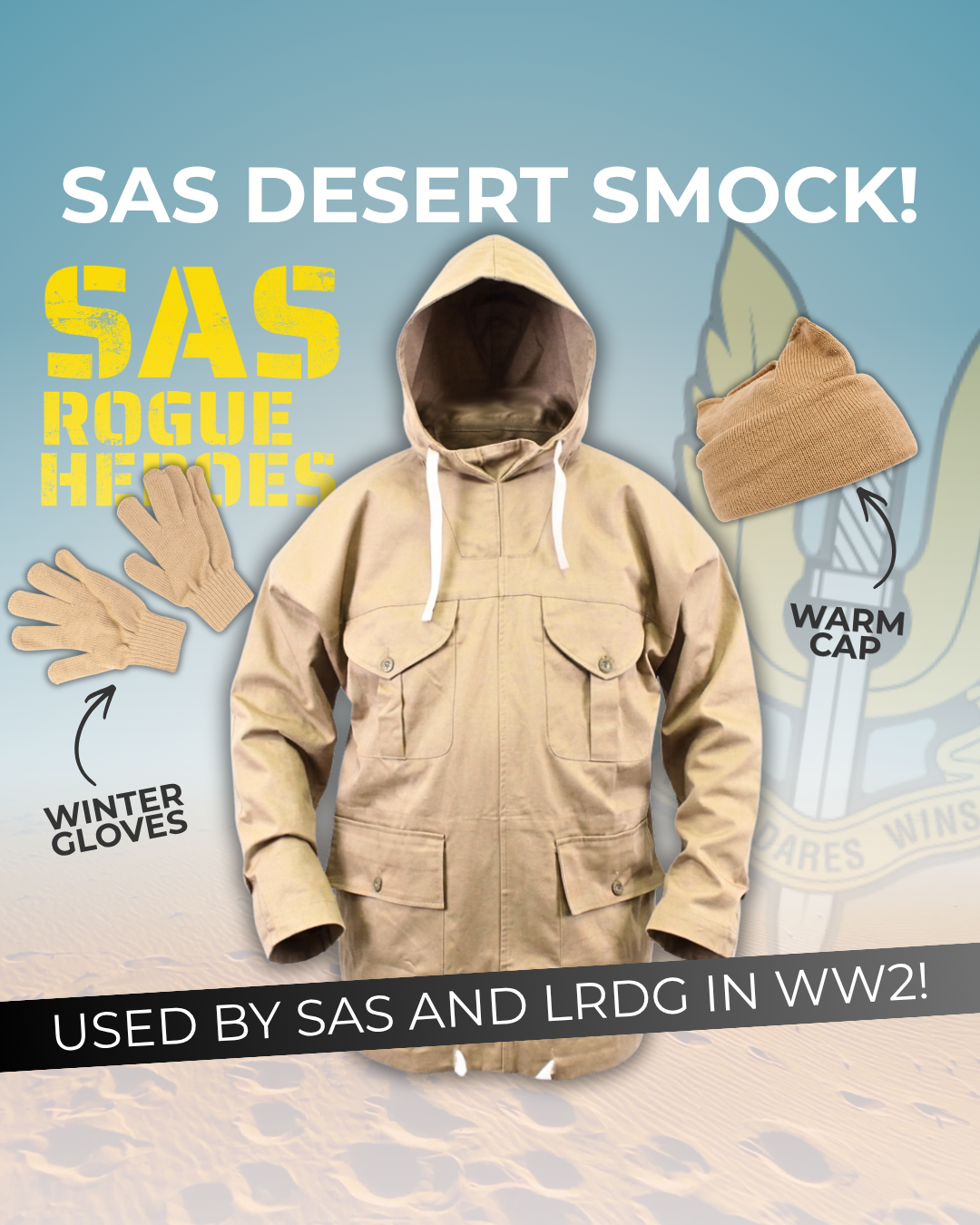
BE A ROGUE HERO: SAS OVERHEAD DESERT TAN SMOCK + GLOVES + CAP BUNDLE
Historia Prize Draw 84 · Excellent
127 / 249 sold51%
checked 42m ago

THE BARN FIND JEEP – RESTORE YOUR OWN WW2 JEEP – BUNDLED WITH £2500 OF PARTS + TOOLS
Historia Prize Draw 26 · Below average
3,647 / 6,400 sold57%
checked 42m ago