
TWO ROMAN COINS, 1700 YEARS OLD recorded with the Portable Antiquities Scheme & ROMAN COIN COLLECTORS GUIDE JUST 149 TICKETS
drawnFigures checked 103d ago
H
Historia Prize Draw
Usually draws around 40% sold
£0.99
per ticket
134 / 149 tickets sold
90%
Odds per ticket: 1 in 149
Draw Date
Jul 7, 2026 11:45pm
This draw has closed.
Other competitions are open now.
Browse live raffles View this draw on Historia Prize DrawDescription
Roman Nummus – GLORIA EXERCITVS Type (PAS: SUR-1FDEB9)
Roman copper-alloy nummus of the House of Constantine, struck c. AD 335–341. This coin was officially recorded with the Portable Antiquities Scheme (PAS Record ID: SUR-1FDEB9) before being returned to the finder.
The GLORIA EXERCITVS (“Glory of the Army”) series was one of the most common coin types of the 4th century, celebrating the strength and loyalty of the Roman army following the reign of Constantine the Great. This later variety depicts two soldiers flanking a single military standard, symbolising military unity and imperial authority. Although the mint is uncertain due to wear, coins of this type were struck at numerous mints and circulated widely across Britain and the western Roman Empire.
Coin Details
Denomination: Nummus
Date: c. AD 335–341
Ruler: House of Constantine
Material: Copper alloy
Mint: Uncertain
Obverse: Laureate and cuirassed bust facing right; legend CONSTAN[…]
Reverse: Two soldiers with one standard – GLORIA EXERCITVS
Mint Mark: Illegible
Die Axis: 1 o’clock
Measurements
Weight: 1.27 g
Diameter: 13.4 mm
Thickness: 1.6 mm
Despite heavy circulation wear, this is a genuine, recorded Roman coin with secure PAS provenance, offering a great connection to the late Roman Empire and one of its most recognisable military coin types.
Roman Radiate – Tetricus I / Contemporary Copy (PAS: SUR-1FF454)
Roman copper-alloy radiate (antoninianus) of Tetricus I, or a contemporary imitation, struck c. AD 271–274. Featuring the LAETITIA AVG reverse type, this coin was officially recorded with the Portable Antiquities Scheme (PAS Record ID: SUR-1FF454) before being returned to the finder.
Tetricus I ruled the breakaway Gallic Empire during the Crisis of the Third Century, when Britain, Gaul and parts of Germany were separated from the central Roman Empire. The reverse depicts Laetitia, goddess of joy and prosperity, holding a purse and anchor to symbolise stability and confidence during a period of political and economic upheaval. Whether an official issue or a contemporary copy, coins of this type circulated widely as monetary shortages encouraged unofficial production. This example is attributed to Mint I, Gaul (likely the Trier region) and corresponds broadly with examples recorded in the Normanby Hoard.
Coin Details
Denomination: Radiate (antoninianus)
Ruler: Tetricus I (or contemporary imitation)
Date: c. AD 271–274
Mint: Mint I, Gaul (likely Trier region)
Material: Copper alloy
Obverse: Radiate bust facing right; legend IMP C TETRICVS P F AVG
Reverse: Laetitia standing left holding purse and anchor
Reverse Legend: [… ]TITIA AVG[…]
Reverse Type: LAETITIA AVG
Die Axis: 1 o’clock
Measurements
Weight: 1.82 g
Diameter: 17 mm
Thickness: 1.5 mm
Despite heavy wear, this is a genuine, recorded Roman coin with secure PAS provenance, representing the turbulent final years of the Gallic Empire. Whether an official strike or contemporary imitation, it offers an authentic and affordable link to one of the most fascinating periods of Roman history.
Book
Roman Coinage in Britain by PJ Casey
Accessible to archaeological experts and students alike, PJ Casey’s “Roman Coinage in Britain” is a fascinating investigation of the Roman Empire’s economic presence in Britain. Drawing from a wealth of archaeological sources, this book places Roman coinage in its rightful economic and political context to better understand the chronology and lives of those who used it. Boasting over a hundred images of exquisitely preserved coins, many of them life-sized, Casey’s study is a must for coin collectors, amateur archaeologists and anyone with an interest in ancient Roman Britain.
Still open: similar competitions

“MORNING ALAN!” QUOTE HOODIE – PICK YOUR SIZE + COLOUR
Historia Prize Draw 99 · Excellent
5 / 75 sold7%
checked 42m ago
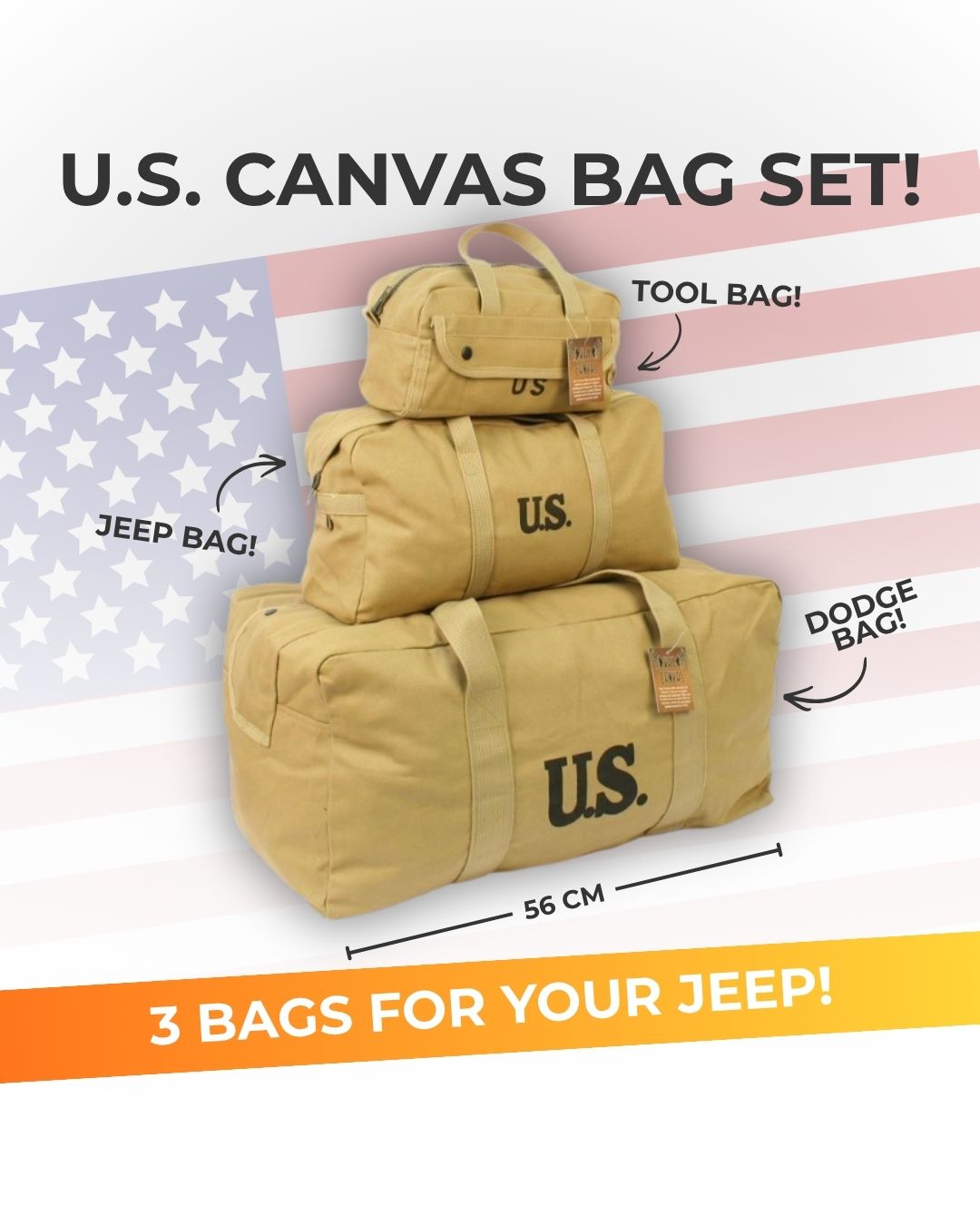
U.S. CANVAS BAG SET! 3 BAGS FOR YOUR VEHICLE!
Historia Prize Draw 94 · Excellent
37 / 246 sold15%
checked 42m ago

WIN THIS NEW US MACKINAW JEEP COAT BY KAY CANVAS … IN YOUR SIZE!
Historia Prize Draw 86 · Excellent
109 / 249 sold44%
checked 42m ago
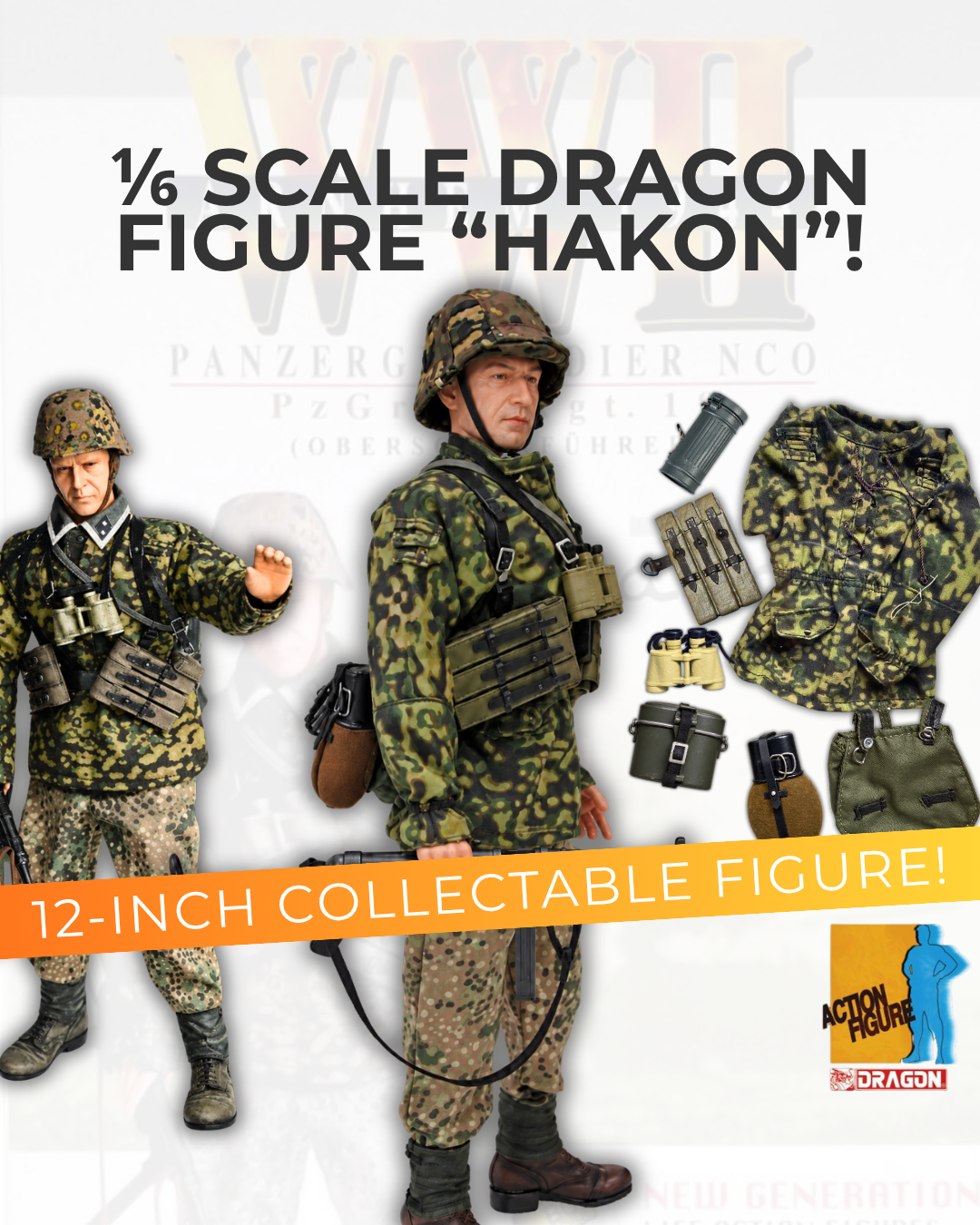
1/6 DRAGON ACTION FIGURE – GERMAN NCO “HAKON”! HIGHLY COLLECTABLE!
Historia Prize Draw 88 · Excellent
106 / 220 sold48%
checked 42m ago
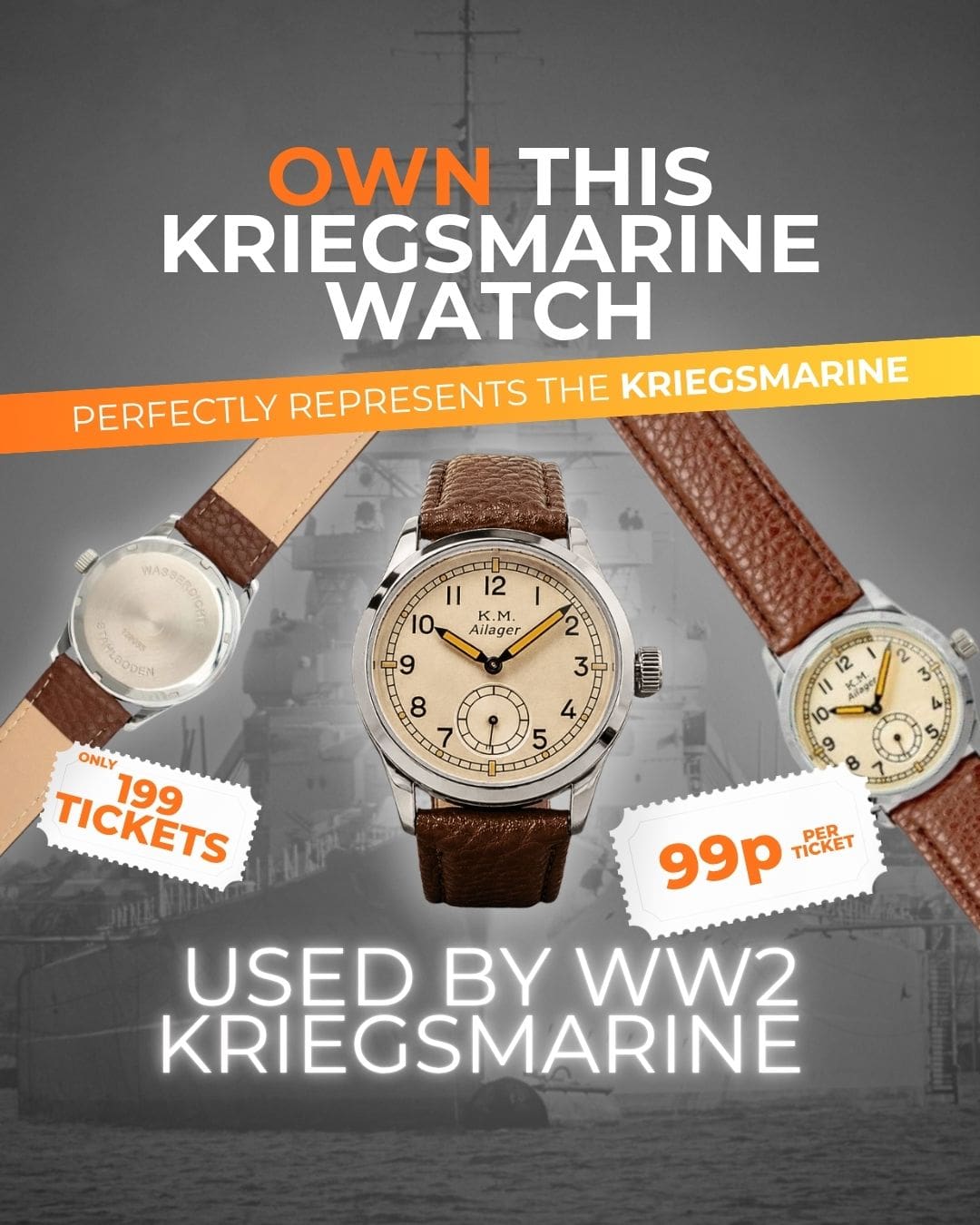
WWII-INSPIRED AILAGER GERMAN KRIEGSMARINE SERVICE WATCH!
Historia Prize Draw 92 · Excellent
47 / 199 sold24%
checked 42m ago
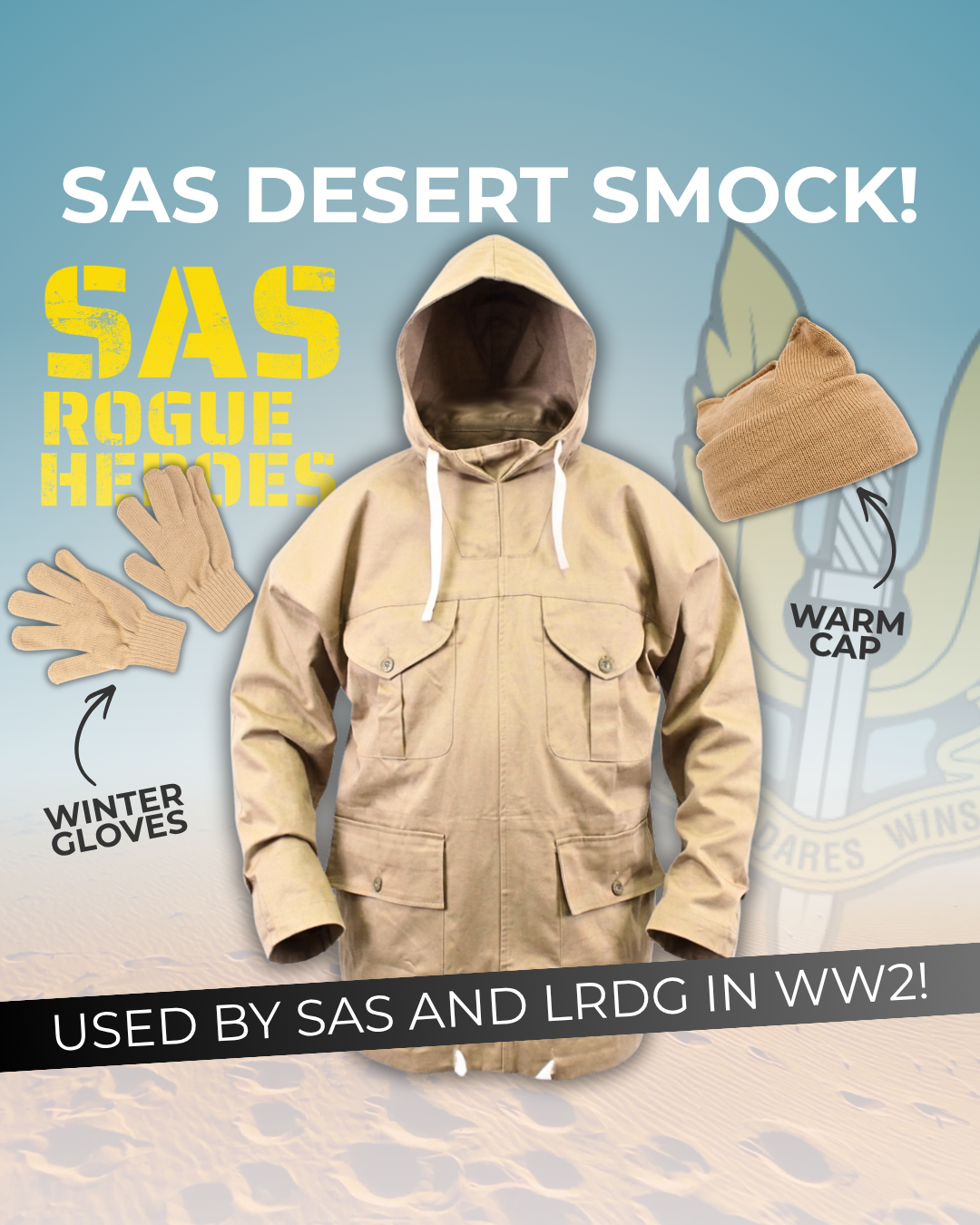
BE A ROGUE HERO: SAS OVERHEAD DESERT TAN SMOCK + GLOVES + CAP BUNDLE
Historia Prize Draw 84 · Excellent
127 / 249 sold51%
checked 42m ago

THE BARN FIND JEEP – RESTORE YOUR OWN WW2 JEEP – BUNDLED WITH £2500 OF PARTS + TOOLS
Historia Prize Draw 26 · Below average
3,647 / 6,400 sold57%
checked 42m ago